
Building Bridges: The Vision Behind CBESS
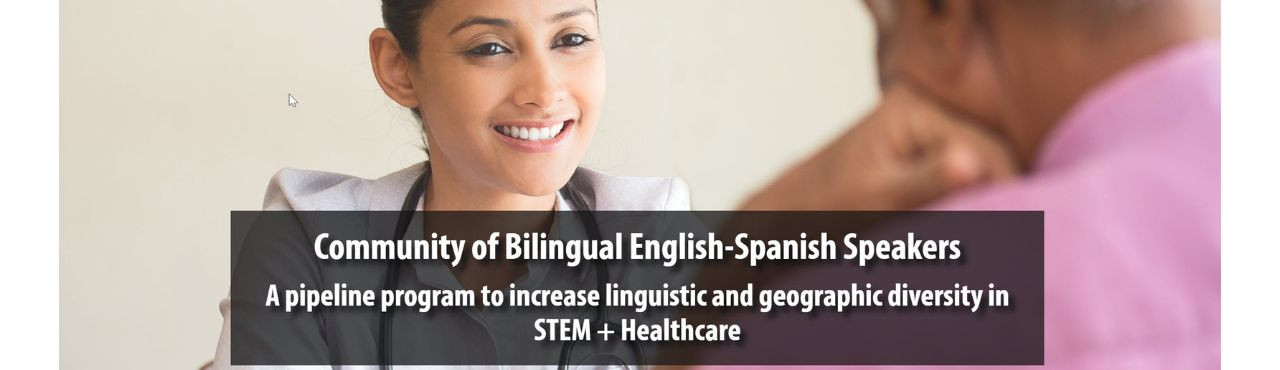
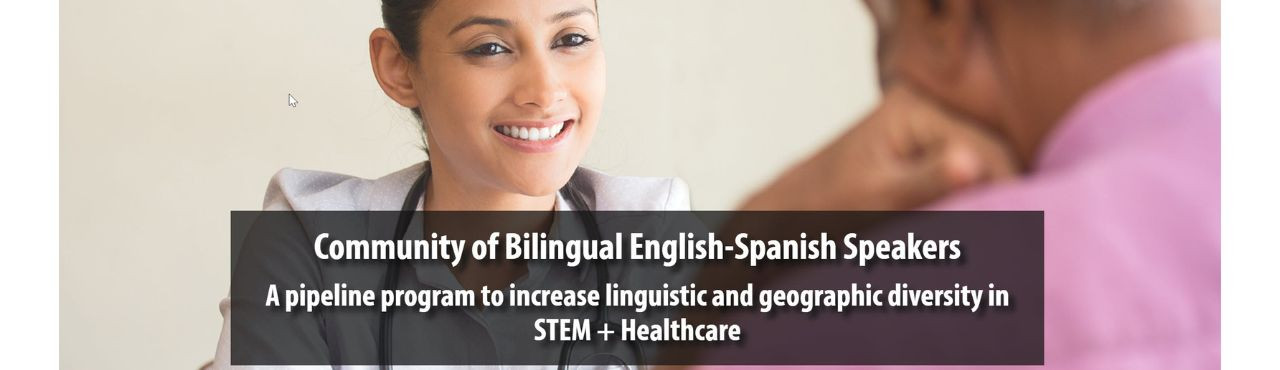
Healthcare in the U.S. is becoming ever more linguistically diverse, with many Spanish-speaking patients having limited access to providers who speak both English and Spanish. Yet the pipeline of bilingual professionals—especially in STEM and health fields—remains thin. The Community of Bilingual English-Spanish Speakers (CBESS), housed at the University of Nevada, Reno (through collaboration of the Raggio Research Center and the Latino Research Center, among others) is designed to help fill that gap. University of Nevada, Reno+1
CBESS is a pipeline program whose overarching mission is to increase linguistic and geographic diversity in STEM + healthcare by cultivating bilingual (English–Spanish) students from high school through undergraduate levels. University of Nevada, Reno+2University of Nevada, Reno+2 It especially focuses on the Northern Nevada region, where about 25 % of residents are bilingual, and yet bilingual medical or research staff remain scarce. University of Nevada, Reno
By engaging students early, providing mentorship, experiential learning, and community of practice support, CBESS aims to position participants as insiders within STEM-healthcare trajectories, preparing them not just academically but attitudinally (i.e., as confident bilingual scholars). University of Nevada, Reno+2PMC+2
What CBESS Offers: Programs & Opportunities
CBESS is structured to support participants at multiple levels, with different roles and opportunities:
1. High School Student Researchers (SRs)
CBESS recruits bilingual English–Spanish high school juniors (especially in Northern Nevada) to join the Student Researcher cohort. University of Nevada, Reno
Selected SRs engage in career exploration events with health professionals. University of Nevada, Reno
They participate in a Summer Research Program (one week in residence on UNR’s campus, followed by virtual extension) where they:
Take classes taught in both English and Spanish
Develop a student-led research project on a local community health topic
Tour research and clinical facilities
Improve written and oral communication skills in scientific contexts University of Nevada, Reno
After the summer, SRs engage in near-peer mentoring, being matched with an undergraduate Leadership Trainee who meets with them monthly during their senior year. University of Nevada, Reno+1
They also do an outreach internship, designing a project tied to their summer research to give back to their communities. University of Nevada, Reno
Even for those not selected for full participation, CBESS offers certificates of participation plus access to recorded career events. University of Nevada, Reno
2. Undergraduate Leadership Trainees (LTs)
The undergraduate arm—Leadership Trainees—act as mentors, instructors, and guides to SRs. University of Nevada, Reno
LTs receive intensive professional development in:
STEM identity
Mentoring best practices
Facilitation and conflict resolution
Inquiry-based instructional methods University of Nevada, Reno
They also complete Responsible Conduct of Research (RCR) training (e.g., through THOR) University of Nevada, Reno
LTs help run the Summer Residential Research Program (chaperoning, teaching, guiding) and engage in monthly mentoring sessions with their assigned high school mentees. University of Nevada, Reno
They receive a stipend (up to $2,500) for participation. University of Nevada, Reno
Eligibility typically includes:
Spanish–English bilingualism
Enrollment in STEM or healthcare-related majors
Preference for first-generation college students
Some prior mentoring or teaching experience preferred University of Nevada, Reno
3. Community of Practice (CoP)
Beyond students and faculty, CBESS maintains a Community of Practice made up of local and state partners, businesses, stakeholders in STEM/healthcare, and family members of SRs. University of Nevada, Reno
Membership in the CoP is not restricted to bilingual individuals—its role is as a stakeholder advisory body. University of Nevada, Reno
The CoP helps CBESS by:
Advising on relevant health workforce needs
Refining project benchmarks and guiding content
Acting in recruitment and recruitment outreach
Serving as role models, presenters, or community liaisons University of Nevada, Reno
A key goal is to help ensure CBESS is sustainable beyond NIH grant funding by embedding local support and ownership. University of Nevada, Reno
Outcomes, Adaptations, and Research Insights
Impact & Evaluation
CBESS is supported by a National Institutes of Health (NIH) Science Education Partnership Award (SEPA). University of Nevada, Reno+2University of Nevada, Reno+2 The program has been documented and evaluated in peer-reviewed outlets such as J STEM Outreach. PMC
Some findings:
Even during the COVID-19 pandemic, when CBESS had to shift programming (e.g. Summer Virtual Research Program), participants still showed significant gains in science knowledge without major differences between cohorts. PubMed+1
The adaptations to virtual or hybrid formats (modifying SR expectations, LT roles, and content delivery) did not appear to undercut the program’s goals. PubMed
Qualitative feedback identified the key roles of mentor relationships and the skills LTs gained in mentoring and leadership. PubMed
These results suggest that carefully designed pipeline programs with bilingual and culturally responsive elements can maintain effectiveness even in changing conditions.
Structural Strengths & Challenges
Strengths:
Bilingual & bicultural framing: By teaching in English and Spanish and mentoring across linguistic lines, CBESS explicitly values bilingual identity and builds confidence in participants to function in both languages in scientific settings.
Mentoring scaffolding: The near-peer model helps bridge the gap between high school and undergraduate levels.
Community alignment: The CoP and local stakeholder engagement help root the program in real community needs (not just academic goals).
Grant & institutional backing: The NIH SEPA funding enables robust support, and the institutional partners help anchor the program.
Challenges or considerations:
Scalability & sustainability: Once grant funding ends, sustaining operations will depend heavily on institutional and community support.
Recruitment reach: Ensuring that bilingual students—especially those in rural or underresourced areas—are reached and can participate may require significant outreach.
Resource intensity: Running residential programs, mentors, and supervision is resource heavy (financial, logistical, staffing).
Balancing virtual and in-person elements: The pandemic showed flexibility is possible, but maintaining depth of engagement virtually remains a challenge.
Why CBESS Matters – For Students, Communities, and Healthcare
For students: CBESS offers a rare pathway combining bilingual identity, mentorship, research experience, and STEM/healthcare exposure—all before college. It can help students see themselves as future bilingual professionals in health and science.
For local communities: By cultivating bilingual future providers and researchers, CBESS helps match the linguistic needs of local populations, reducing language barriers in healthcare delivery.
For broader equity: Programs like CBESS help counter systemic disparities: increasing representation of first-generation, bilingual, or underrepresented students in STEM/healthcare fields helps diversify those professions.
For academia and policy: CBESS offers a replicable model of bilingual pipeline programming with built-in community advisory structures and documented outcomes—even under disruption (e.g., during the pandemic).
Suggestions for Amplifying CBESS’s Reach & Impact
If you’re a stakeholder—educator, potential partner, policy maker, or student—here are ideas to amplify CBESS or adapt similar models where you are:
Strengthen K–12 outreach: Partner with bilingual programs in middle schools or early high school to raise awareness of CBESS.
Offer satellite versions or regional hubs: If geographic distance is a barrier, versions of the program could be adapted regionally.
Leverage alumni networks: Graduates of CBESS (or similar programs) can serve as role models or peer mentors.
Engage health systems: Hospitals and clinics could partner by offering guest talks, facility tours, or internship pathways.
Advocate for institutional adoption: Work toward embedding pipeline funding into university or health-system budgets rather than relying solely on grants.
Collect ongoing impact data: Track long-term outcomes (e.g. retention, careers, bilingual clinical practice) to support program continuity and scaling.