
If you’re considering a move to Cypress, Texas, or simply curious what day-to-day life is like, here’s a deep dive into
1. The School Landscape
One of Cypress’s biggest pull-factors is its strong educational ecosystem.
Public Schools
Most children in Cypress attend schools within the Cypress‑Fairbanks Independent School District (CFISD). The district serves over 118,000 students and is among the largest in Texas. Niche+2https://houstonsuburb.com+2
Key points:
CFISD enjoys a favourable student-teacher ratio (about 15:1). Niche
The district offers a wide variety of elementary, middle and high schools; e.g., some of the top-rated high schools include Cypress Ranch High School, Cypress Woods High School and Bridgeland High School. HAR
According to GreatSchools, Cypress has dozens of elementary, middle, and high school options. GreatSchools.org
The public schools are a major reason families choose Cypress. Texas Real Estate Source+1
Private & Alternative Schools
Beyond the public system, Cypress also has private institutions (for example, Cypress Christian School) and charter/alternative options. Wikipedia+1
What That Means for Families
For families with kids, Cypress offers many schooling options—both for strong academic programs and for extracurriculars (more on that in the next section).
Because the schools are well-regarded, neighbourhoods zoned for higher-performing schools tend to be in demand (which can mean higher home prices, etc.).
As with any growing region, changing attendance zones, rezoning, expansion of campuses may occur — a trade-off of growth.
2. After-School & Community Activities
Life in Cypress isn’t just about schools: there’s a lot of activity for kids, families and adults too.



For Kids & Teens
There’s a strong after-school program network — e.g., “10 After-School Programs in Cypress, TX (2025 Guide)” lists options such as Club Rewind (on elementary campuses), a STEM club at a charter school, martial arts programs, etc. Cypress Digest
Youth sports are very active: the Cy‑Fair Youth Sports Association (CFSA) supports soccer, lacrosse, baseball, etc. in the area. Cy-Fair Sports
Facilities exist where families can do both recreation and competitive activities: e.g., gyms, swim lessons, athletics clubs. For example, the Villa Sport Cypress fitness club offers kid’s club, aquatics, sport camps, etc. VillaSport
For very young children, options include things like kids’ gyms / enrichment (e.g., the “Romp n’ Roll” facility in Cypress). Romp n’ Roll
For Adults & Family Life
Families have access to fitness clubs, recreation, and the normal comforts of suburban life — parks, master-planned communities, green space.
With the growth of the area, community-oriented amenities are increasing (e.g., pick-up sports, fitness, social clubs).
After-school and community programs make it easier for working parents to find structured activities for kids, which helps with work-life balance.
Things to consider
With growth comes pressure: availability for some popular after-school programs may fill up quickly.
Commute and traffic may influence how easy it is to drop kids off and pick up, or attend activities in nearby Houston.
Cost of some programs (e.g., private enrichment, sports leagues) can add up — budget accordingly.
3. Economic and Development Landscape
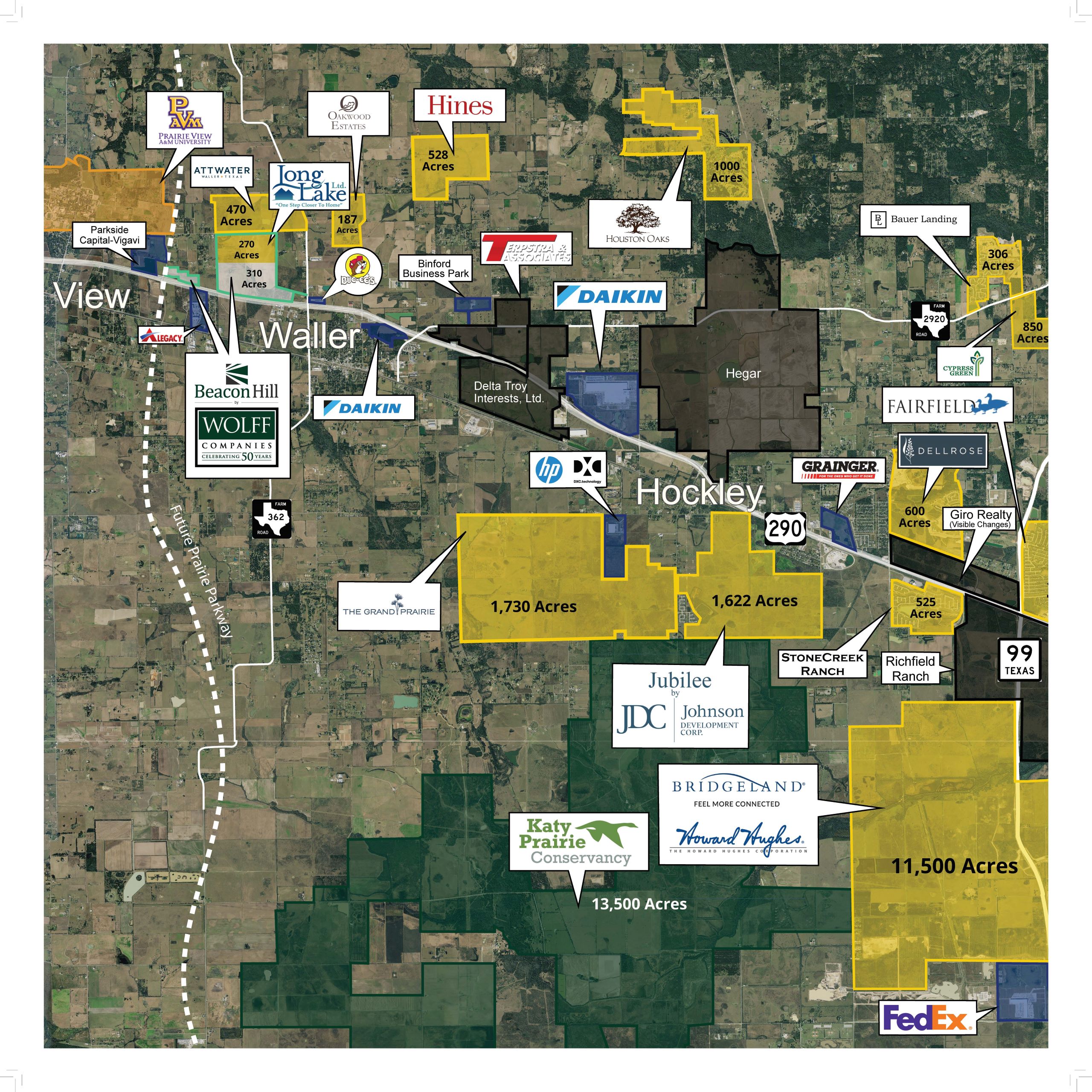
Cypress isn’t a sleepy suburb: it’s growing rapidly, and its economy and infrastructure are evolving.

Growth & Investment
The community is part of the Northwest Houston / Cypress Creek region, which has an economic development initiative called Grow Northwest, aiming to attract and retain quality jobs in the area. Houston Northwest Chamber of Commerce
The local chamber (Cy‑Fair Houston Economic Development Chamber) notes the region’s “economics in Cy-Fair” with custom workforce training and proximity to Houston job markets. Cy-Fair Houston | Chamber of Commerce
Commercial real estate is gaining attention: “Why Invest in Commercial Land for Sale in Cypress, TX” highlights the region as a hotspot for commercial investment due to strategic location, growth, infrastructure. Commercial Space Houston
Infrastructure & Challenges
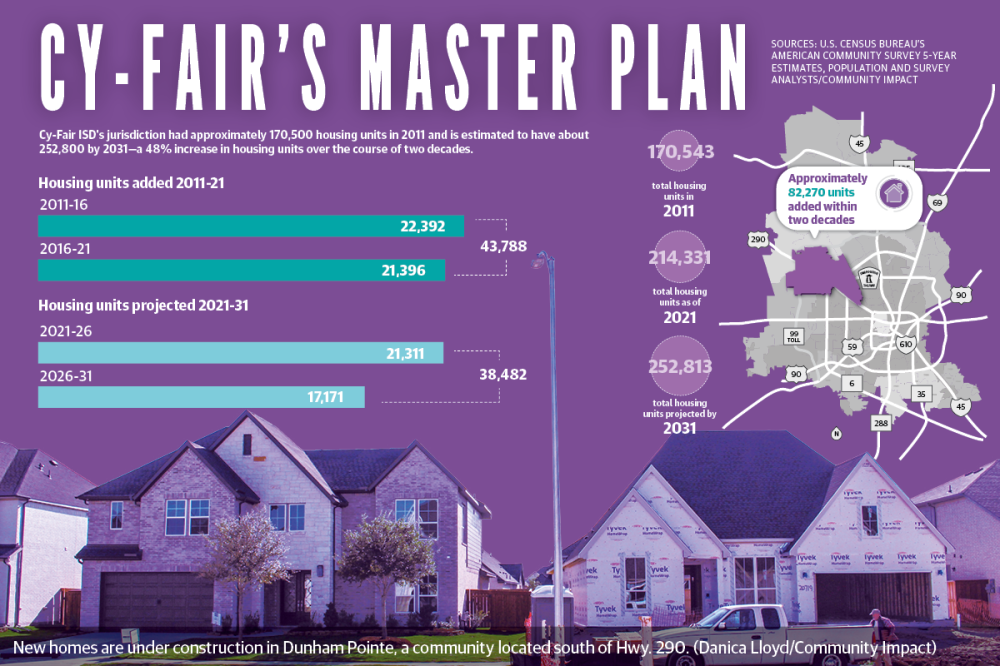
Rapid growth brings infrastructure stress: a development-analysis piece states that Cypress’s population exploded (26.6 % from 2010–2020) and with it come “unique challenges” in balancing development and infrastructure. JRH Engineering & Environmental Services
Child-care, schooling, and home-inventory constraints are rising in cost and demand. For example, articles indicate child-care cost increases and low inventory for homes. Community Impact
What Residents Experience
Many residents benefit from being within commuting distance of Houston (for jobs) while living in a more suburban environment.
New business parks, retail, amenities are increasingly located in Cypress, meaning local employment + amenities may reduce the need to commute as far in some cases.
Because of the demand and growth, home-values and costs (housing, child-care, etc.) may be climbing — which is both a sign of opportunity and a factor to budget for.
4. A Day in the Life — Putting It All Together
Imagine you live in Cypress.
Mornings: family breakfast, kids hop on the bus to a CFISD elementary school. You may commute to a job in Houston or work locally.
After-school: your child attends an enrichment program (STEM club + sports) or heads to a youth sports practice (soccer or lacrosse).
Evening: you might meet a neighbour at a local fitness club, or take the kids to swim lessons or gym at a recreation facility.
Weekends: shopping at nearby retail/amenity centres, visiting a master-planned community park, attending a youth game at a CFISD stadium, or checking out a new business park or local café.
Over time: You notice the new developments sprouting, traffic slowly increasing along major corridors, schools expanding, new business landing in town. You appreciate the strong school system, the variety of after-school options, and the blend of suburban calm + access to urban job markets.
5. Pros & Potential Trade-Offs
Pros:
Good schools & lots of options for kids and families.
Strong growth means amenities are expanding.
Suburban lifestyle with relatively easy access to urban markets.
Wide-ranging after-school/sports/enrichment activities.
Trade-Offs:
Rapid growth means infrastructure and traffic may be less ideal than a mature suburb.
Rising costs (housing, child-care, enrichment) compared to slower-growth areas.
With large school district, some schools may feel very big; rezoning or changing attendance zones may happen.
New developments may mean ongoing construction in some neighbourhoods.
6. Final Thoughts
If your priorities include a family-friendly environment, quality schools, varied after-school activities, and being part of a growing community — Cypress stands out as a strong choice. At the same time, it’s important to understand that with growth come trade-offs: stay aware of commute times, infrastructure developments, and program availability.