
The Future of 3D Character Animation in Games: Use Cases & AI-Driven Design Considerations
By Lishai, Founder of Lishai Studio – 3D Character Animation
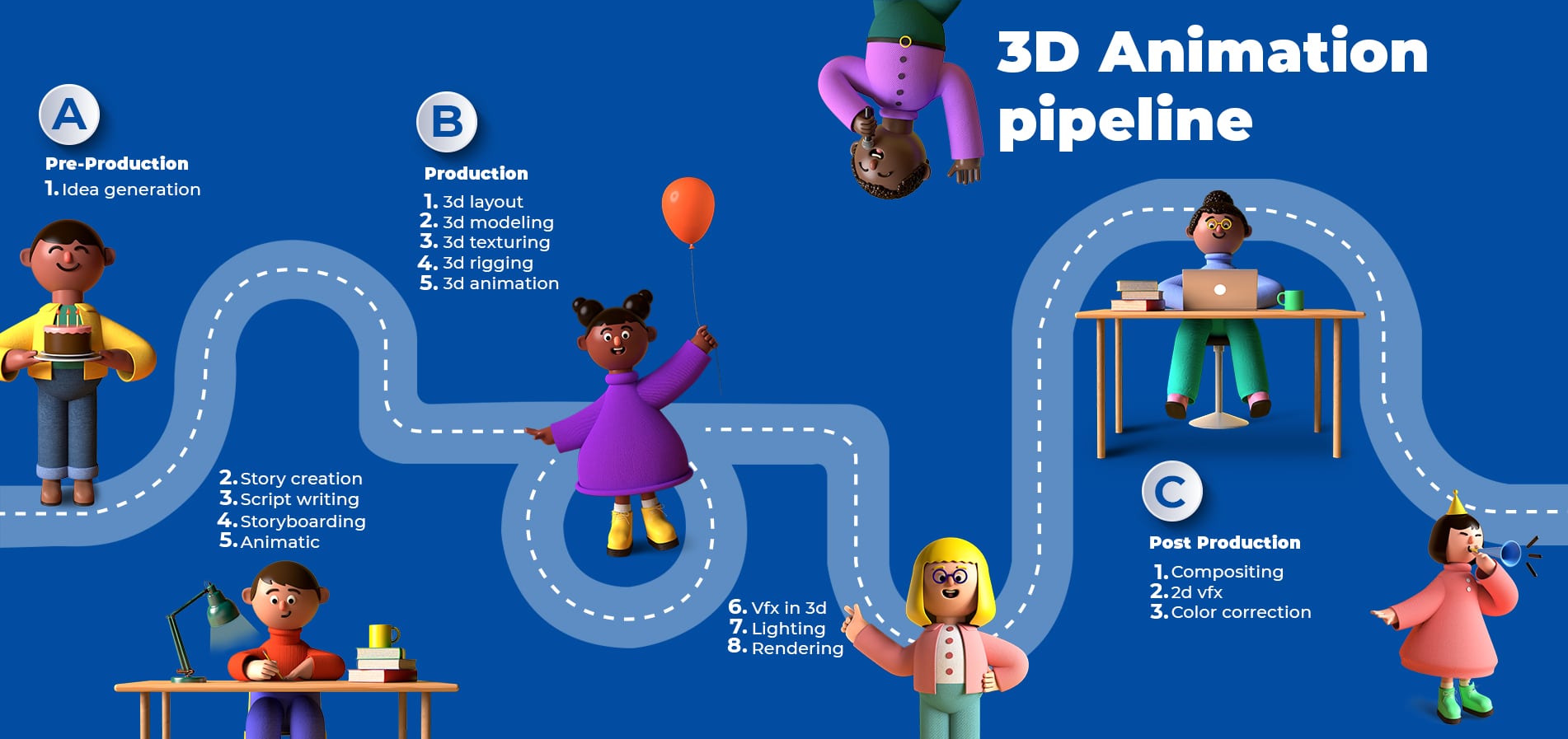

In the world of gaming, 3D character animation is one of the core ingredients that brings digital worlds to life. Players may come for the graphics or the storyline, but they stay for characters that move, react, and feel authentic. At Lishai Studio, character performance is at the heart of the experience—we focus on crafting movement that conveys personality, emotion, and story.
Today, the craft is evolving faster than ever. AI is transforming workflows, reshaping design decisions, and opening new creative possibilities. Below is a deep dive into how 3D character animation is used in modern games and how artificial intelligence is influencing the next generation of design.
Key Use Cases for 3D Character Animation in Games
1. Character Performance & Personality
Whether it’s a hero navigating a dystopian city or a whimsical creature exploring a fantasy realm, animation defines personality.
Subtle movements like breathing, shifting weight, or facial expressions make characters feel alive.
Stylized animation adds charm; realistic animation builds immersion.
Cinematics and in-game cutscenes rely heavily on polished, expressive animation.


2. Combat Systems & Action Mechanics
Combat-heavy games stand or fall based on the feel of their animation.
Attack combos
Hit reactions
Dodges, rolls, and defensive moves
Fluid transitions between states
The responsiveness of these animations directly affects gameplay satisfaction. A single poorly timed transition can make combat feel clunky.
3. Motion Capture Integration
Many games now use mocap as a foundation, refined by hand-animation to preserve style and clarity.
Use cases include:
Realistic combat
Natural movement cycles
Cinematic storytelling
Crowd behaviors
At Lishai Studio, mocap often becomes a starting point—the artistry is in shaping it into something expressive, readable, and aligned with the game’s style.
4. NPC Behavior & Procedural Animation
NPCs (non-player characters) populate the game world and rely on animation to feel believable.
Crowd simulations
Ambient activities
Procedural idle behaviors
Reactions to player proximity or events
Adaptive animations (like stumbling if injured)
These animations create immersion and make the world feel active and dynamic.
5. Creature & Mythical Character Animation
Games often include non-human characters—dragons, robots, aliens, or entirely original species.
Quadruped or multi-limb movement
Flight cycles
Special abilities or magical effects
Weight, physics, and secondary motions
Creature animation allows full creative freedom and challenges animators to think beyond human anatomy.
How AI is Transforming 3D Character Animation in Games
AI isn’t replacing animators; it’s expanding what’s possible. It is reshaping workflow, design considerations, and performance expectations.
1. Faster Prototyping & Previsualization
AI-driven pose generation and rough motion synthesis help teams:
Block out ideas quickly
Test gameplay concepts
Iterate on character motions before committing to full production
This speeds up early-stage development, allowing creatives to focus more on polish and performance.
2. Real-Time, Adaptive Animation in Gameplay
One of the biggest innovations is AI-assisted animation blending, where characters respond dynamically:
Adjusting motion based on terrain slope
Changing walk cycles based on stamina
Fluid transitions between states without manually keying every possibility
This reduces repetitive animation work and increases realism.
3. Smarter NPC Behaviors
AI enhances NPC movement and decision-making:
Dynamic pathfinding paired with contextual animations
More lifelike reactions to player actions
Behavioral variety that reduces repetitive patterns
The result: richer, more believable game worlds.
4. AI-Assisted Rigging and Motion Cleanup
Tools using AI can now:
Auto-rig characters
Predict skin weighting
Clean mocap data
Generate in-between frames
Design consideration: animators must plan rigs and character topology that work well with these automated systems.
5. Generative AI for Animation Variations
Instead of animating ten versions of an idle cycle, AI can produce:
Style-matched variations
Emotion-based variants
Personalized animations for player avatars
This creates scale—more content without multiplying workload.
6. Ethical & Creative Challenges
With AI comes new responsibilities:
Ensuring hand-crafted artistic choice isn’t lost
Avoiding “AI stiffness” in nuanced emotional animation
Protecting artistic ownership and animation style
Maintaining consistent visual language across characters
A strong creative director and animation lead remain essential.
What This Means for Studios & Developers
As AI grows, the value of an experienced animator increases—not decreases.
Why?
Because AI can generate motion, but it cannot understand:
Character psychology
Story stakes
Emotional nuance
Timing for comedic or dramatic effect
Stylization that defines a game’s identity
At Lishai Studio, AI is a tool, not a replacement. We blend technology with artistry to deliver animation that is powerful, expressive, and gameplay-driven.
Conclusion: The Next Evolution of Game Animation
3D character animation is entering a golden age. With AI accelerating workflows and enabling smarter in-game behaviors, animators have more room to focus on what truly matters: performance, storytelling, and emotional impact.
Games will continue to push boundaries, and animation will remain at the heart of that movement.
If you're building a game and want characters that feel alive, believable, and unforgettable, Lishai Studio is here to bring your vision to life.