

Finding Hope After Loss: A Guide to Navigating Grief
Losing a family member is one of the most painful experiences we can face. Whether the loss was sudden or anticipated, grief has a way of reshaping our world in unexpected ways. It can affect how we think, feel, and even function day to day. At times, grief may feel overwhelming and isolating — but it’s important to remember that you are not alone, and what you are experiencing is deeply human.
Grief Looks Different for Everyone
There is no single “right” way to grieve. Some people feel deep sadness right away, while others experience shock, numbness, anger, guilt, or even moments of peace. These emotions may come and go, sometimes without warning. Grief is not a straight path, and it does not follow a schedule. Your experience is valid, no matter how it unfolds.
Allow Yourself to Feel
Grief is not something to push away or rush through. Trying to suppress emotions can make healing more difficult over time. Allow yourself to cry, to feel angry, to sit quietly, or to reflect — whatever your heart needs in the moment. These emotions are not a sign of weakness; they are a reflection of love and connection.
You Don’t Have to Carry This Alone
Sharing your grief with others can be an important step toward healing. Trusted friends, family members, or support groups can offer comfort simply by listening. Sometimes, just knowing that someone else understands your pain can ease the burden you’re carrying.
If you find it difficult to talk with those close to you, connecting with others who have experienced loss can be especially helpful. Being seen and heard — without judgment — can bring a sense of relief during an incredibly heavy time.
Take Care of Yourself, Gently
Grief affects the body as much as the mind. You may feel exhausted, distracted, or emotionally drained. Small acts of self-care can help restore balance, even if they feel difficult at first. Simple things like eating regular meals, resting when you can, taking a short walk, or breathing deeply can provide moments of grounding and stability.
Honoring the One You Lost
Finding ways to remember and honor your loved one can be deeply healing. This may look like sharing stories, writing memories, creating a ritual, or doing something meaningful in their name. Keeping their memory alive does not prevent healing — it often supports it.
Many people find comfort in speaking to their loved one, journaling, or reflecting on the lessons and love they shared. These moments can help maintain a sense of connection while allowing space for healing.
When to Seek Additional Support
There may be times when grief feels too heavy to manage on your own. If sadness becomes overwhelming, persistent, or interferes with daily life, seeking professional support can be an important step. Counselors, therapists, and grief specialists are trained to help navigate complex emotions and provide tools for coping.
Asking for help is not a failure — it is an act of courage and self-care.
Be Patient With Your Healing
Grief does not have an endpoint. Some days may feel lighter, while others may bring back the weight of loss. Healing does not mean forgetting — it means learning how to live with loss while slowly rediscovering moments of peace, meaning, and hope.
Give yourself permission to move at your own pace. There is no timeline, and no comparison.
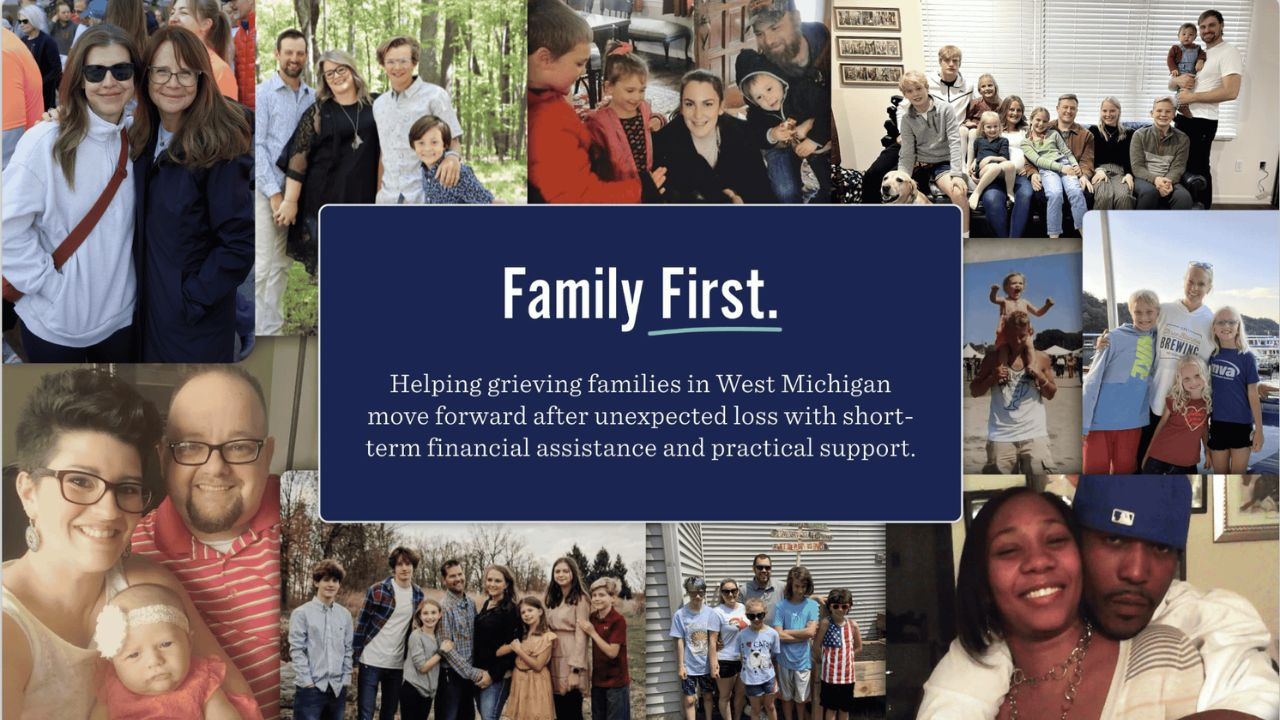
At the Kinzler Foundation, we believe in supporting families through life’s most difficult moments. If you are grieving the loss of a loved one, know that your pain matters, your feelings are valid, and you are not alone. Healing takes time — and support makes a difference.