


How AI Is Changing the Electrical Contractor’s Role in Commercial Real Estate
Artificial Intelligence isn’t just transforming tech companies — it’s reshaping the trades. And one of the most interesting shifts happening right now is in commercial electrical contracting.
From design to diagnostics, AI is moving electricians from being “installers of systems” to becoming strategic infrastructure partners in commercial real estate.
Let’s break down what’s changing — and why it matters.
1️⃣ Smarter Building Design & Pre-Construction Planning
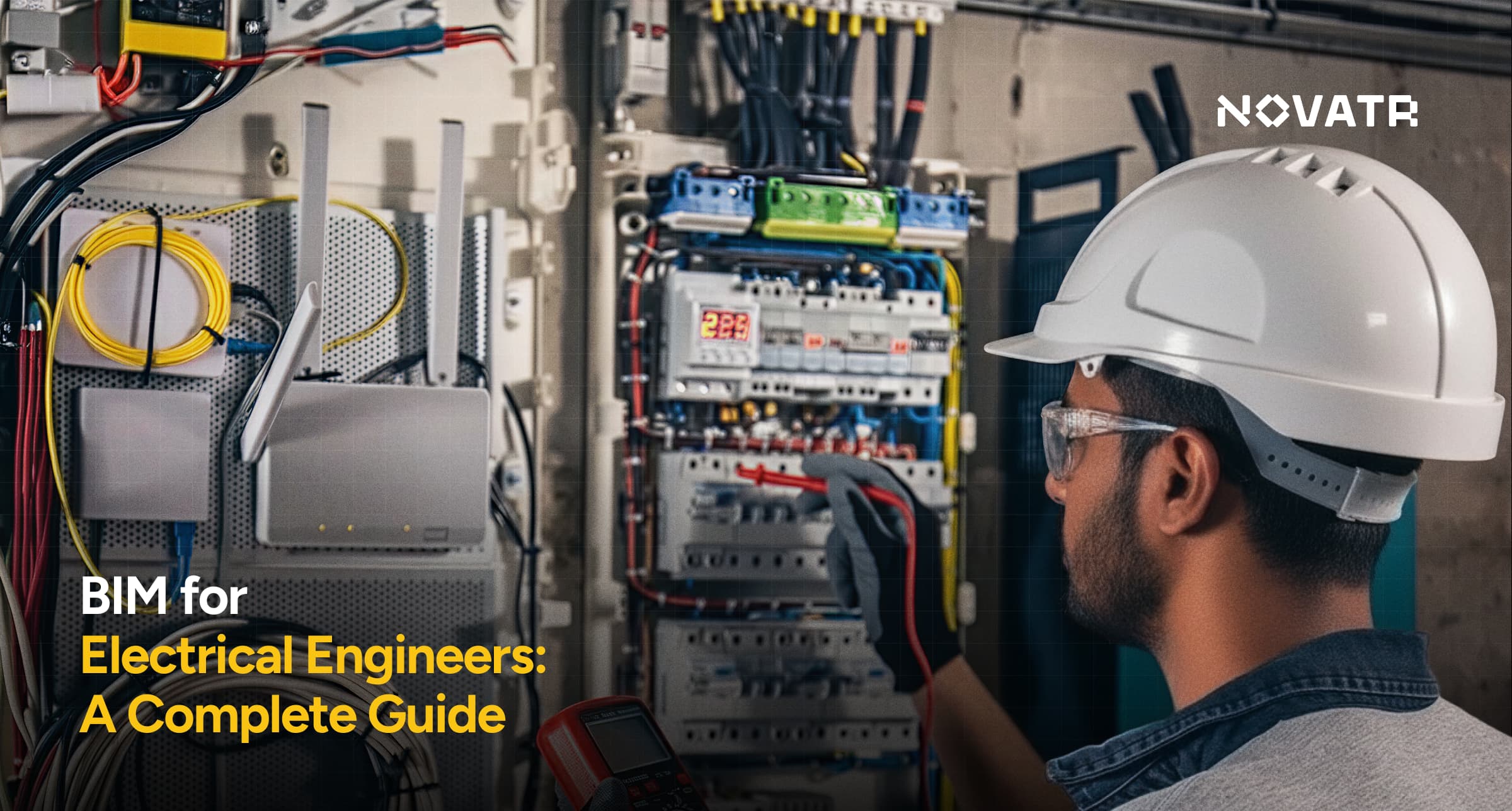
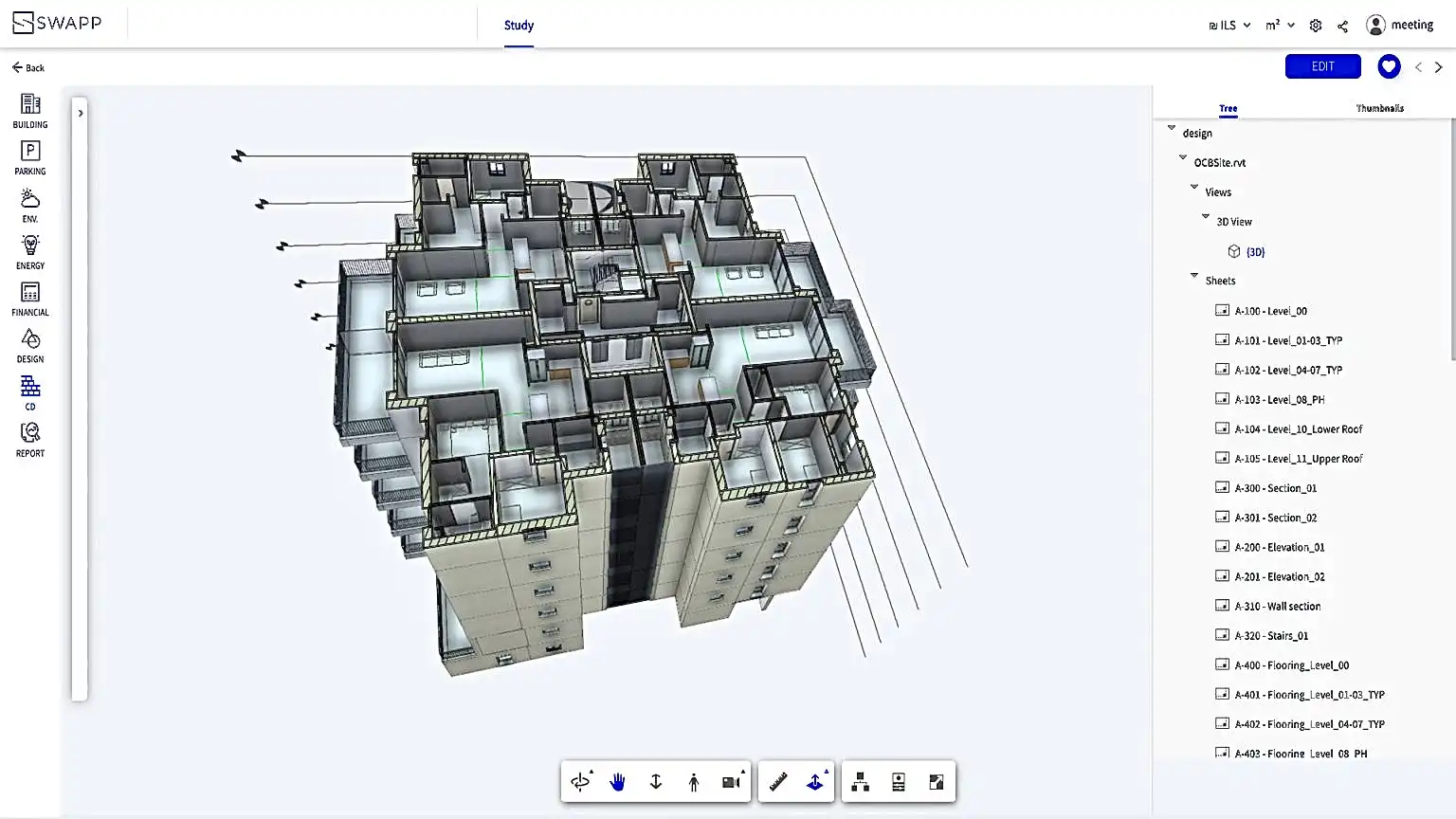

AI-powered tools integrated with BIM (Building Information Modeling) platforms are transforming pre-construction planning.
Today:
Load calculations can be dynamically modeled
Lighting efficiency simulations are automated
Power distribution layouts can be optimized before a single conduit is installed
Clash detection happens instantly between trades
Instead of reacting in the field, electrical contractors are increasingly:
Identifying cost savings during design
Reducing material waste
Preventing rework before mobilization
💡 The electrical contractor becomes a value engineer, not just a bidder.
2️⃣ Predictive Maintenance & Smart Diagnostics
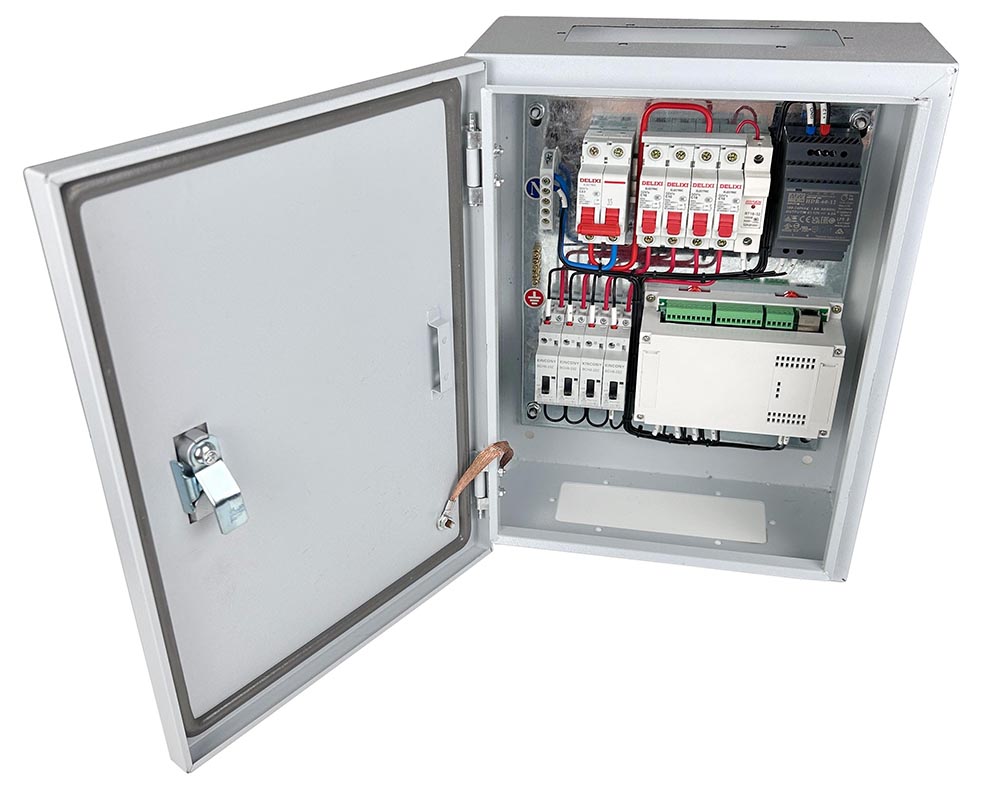

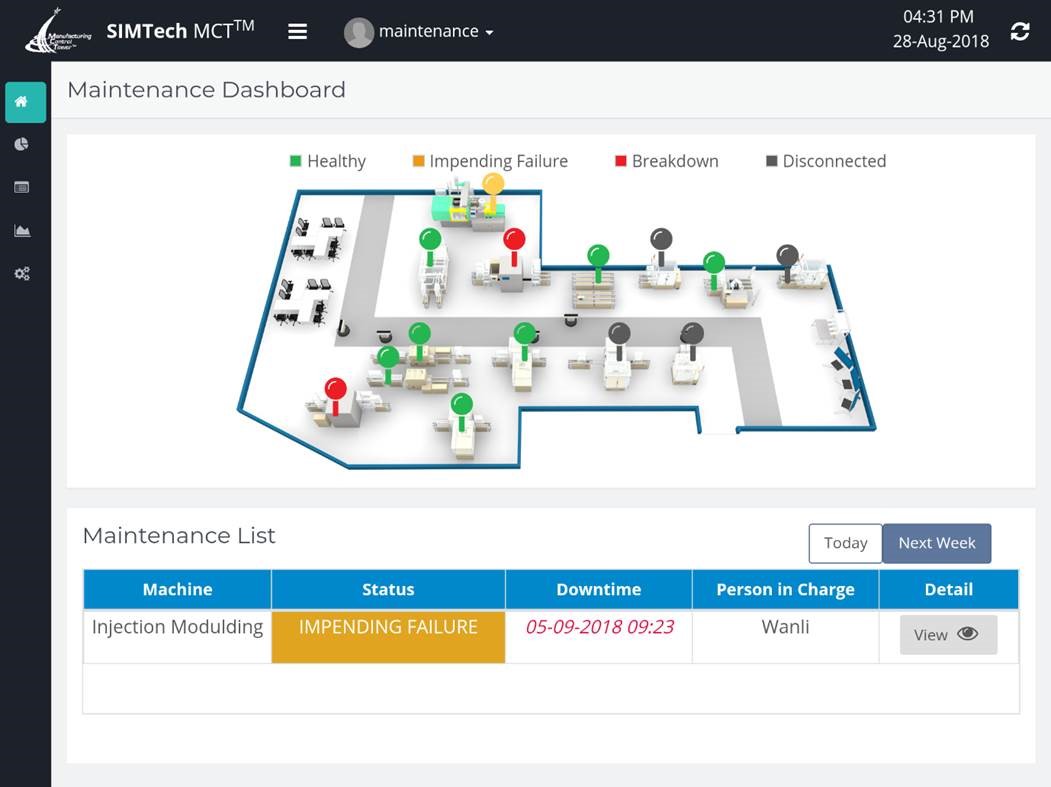
Commercial buildings are becoming sensor-rich environments.
AI systems can now:
Monitor load fluctuations
Detect abnormal heat signatures
Predict breaker failures
Identify energy waste patterns
Instead of waiting for failure, building owners can act proactively.
For electrical contractors, this means:
Ongoing service contracts
Data-driven maintenance programs
Recurring revenue beyond installation
Becoming long-term infrastructure partners
This is a shift from project-based income to lifecycle-based income.
3️⃣ Energy Optimization & ESG Pressures

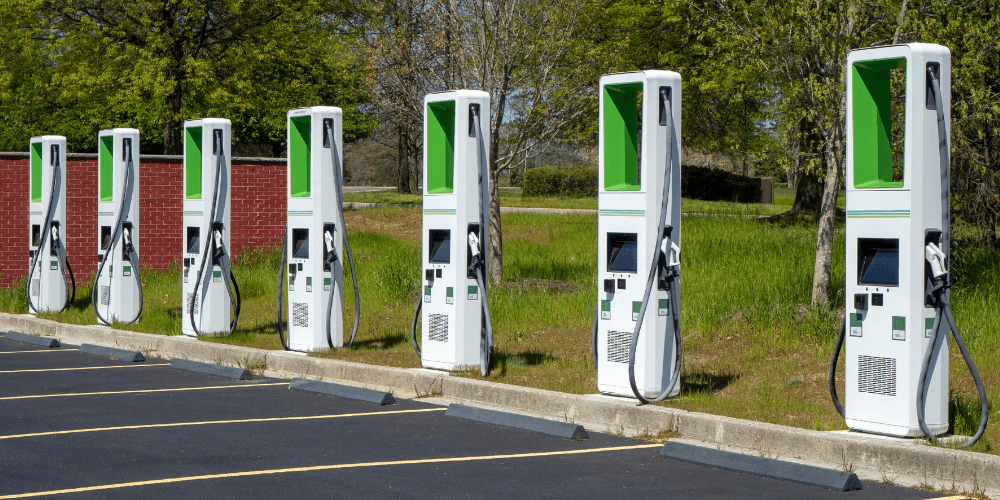
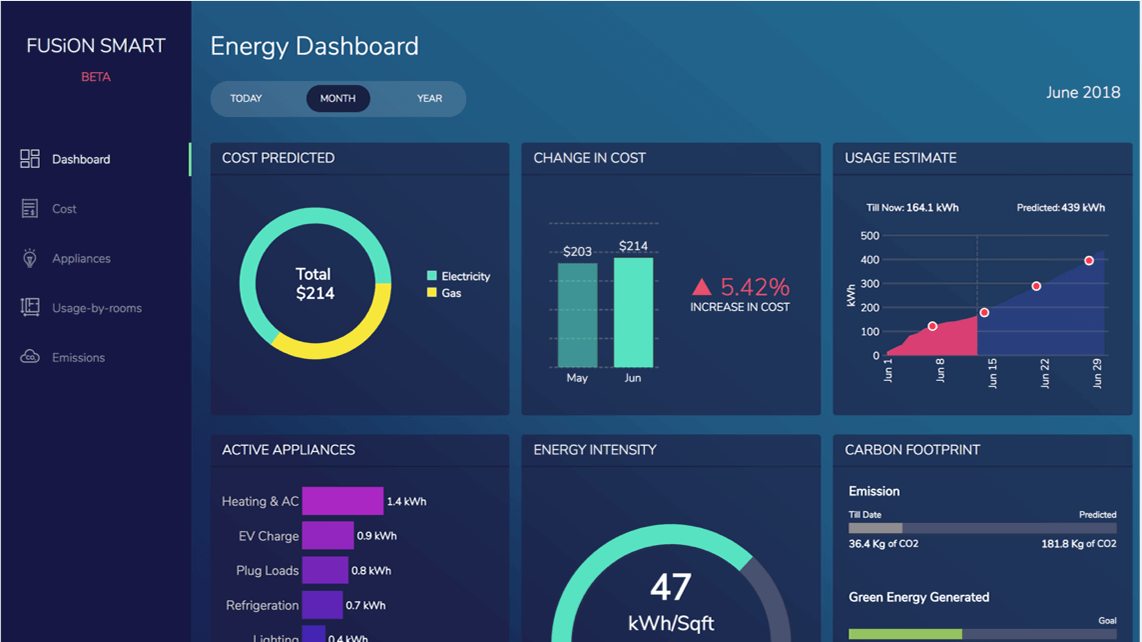
AI is central to energy management in commercial real estate.
With rising ESG requirements and utility costs, property owners are focused on:
Solar integration
EV charging infrastructure
Smart lighting retrofits
Automated demand-response systems
AI helps optimize:
When to draw grid power
When to store energy
When to shift load usage
Electrical contractors now need fluency in:
Smart panels
Energy storage systems
Grid integration technologies
AI-driven building management systems
The role is expanding from wiring buildings to architecting energy ecosystems.
4️⃣ Workforce Impact: Augmentation, Not Replacement
There’s always the fear: “Will AI replace electricians?”
The reality: AI reduces repetitive diagnostic tasks — but increases demand for skilled interpretation and installation expertise.
AI cannot:
Pull wire
Terminate panels
Install switchgear
Troubleshoot complex field conditions in person
What it does do:
Shorten troubleshooting time
Improve safety
Increase precision
Reduce costly human error
The electrician of the future is:
Tech-enabled
Data-aware
Comfortable reading dashboards as well as blueprints
5️⃣ Implications for Commercial Real Estate Owners & Developers
For property owners and developers, this shift matters deeply.
Electrical systems are no longer passive utilities — they are now:
Data generators
Energy trading platforms
Risk mitigation tools
Tenant retention assets
AI-enhanced electrical infrastructure:
Improves NOI through efficiency
Reduces downtime
Increases asset valuation
Future-proofs properties
Forward-thinking CRE investors are beginning to ask:
“Is this building AI-ready?”
And that question directly impacts electrical scope.
🔎 The Bigger Strategic Shift
In commercial real estate, we’re seeing a convergence:
Electrical contractors
Smart building integrators
IT infrastructure teams
Energy consultants
The lines are blurring.
The contractor who embraces AI tools — instead of resisting them — will:
Win higher-margin projects
Move upstream in planning conversations
Develop recurring revenue models
Become indispensable to asset owners
💬 Let’s Open the Discussion
For our community:
Are you seeing AI integrated into electrical bids yet?
Are developers demanding smart-ready infrastructure?
Are service contracts becoming more data-driven?
How are unions and workforce training adapting?